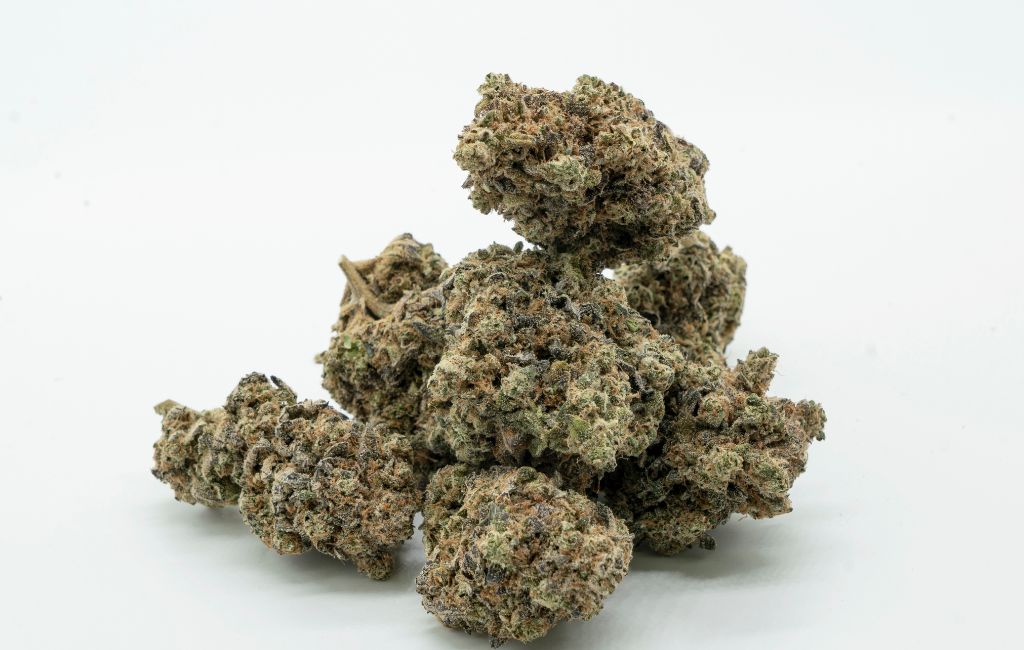
THCa Flowers: Unlock Wellness Benefits
In recent years, the interest in cannabis and its derivatives has surged, with many seeking natural alternatives for health and wellness. Among the various compounds found in cannabis, THCa (tetrahydrocannabinolic acid) has gained attention for its potential benefits. Unlike THC, THCa is non-psychoactive, making it an appealing option for those looking to explore the therapeutic properties of cannabis without the high.
Understanding THCa
THCa is a cannabinoid found in raw and live cannabis plants. It is the precursor to THC, the compound responsible for the psychoactive effects of cannabis. When cannabis is heated through smoking, vaping, or cooking, THCa converts to THC. This process, known as decarboxylation, is what gives cannabis its intoxicating properties.
In its raw form, THCa does not produce a high, allowing users to experience potential health benefits without altering their mental state. This characteristic makes THCa an attractive option for those interested in the therapeutic aspects of cannabis.
Potential Health Benefits of THCa
Research into the benefits of THCa is still in its early stages, but preliminary studies and anecdotal evidence suggest several potential health advantages:
- Anti-inflammatory Properties: THCa may help reduce inflammation, making it a potential option for those suffering from conditions like arthritis and other inflammatory diseases.
- Neuroprotective Effects: Some studies indicate that THCa might have neuroprotective properties, which could be beneficial for neurodegenerative diseases such as Alzheimer’s and Parkinson’s.
- Anti-emetic Benefits: THCa has shown promise in reducing nausea and vomiting, which could be helpful for patients undergoing chemotherapy or those with chronic gastrointestinal issues.
- Antioxidant Properties: As an antioxidant, THCa may help protect cells from damage caused by free radicals, potentially reducing the risk of chronic diseases.
Case Studies and Research
While comprehensive clinical trials are limited, several studies and case reports highlight the potential of THCa:
A study published in the “British Journal of Pharmacology” explored the anti-inflammatory effects of THCa, finding that it could reduce inflammation in animal models. This research supports the idea that THCa might be beneficial for inflammatory conditions.
Another study in “Phytomedicine” examined the neuroprotective effects of THCa, suggesting that it could help protect brain cells from damage. This finding is particularly relevant for those interested in the potential of cannabis compounds for neurodegenerative diseases.
In a case report, a patient with chronic nausea and vomiting found relief using THCa-rich cannabis juice. This anecdotal evidence aligns with the anti-emetic properties observed in preliminary research.
How to Use THCa Flowers
For those interested in exploring THCa, there are several ways to incorporate it into a wellness routine:
- Raw Consumption: Consuming raw cannabis leaves or flowers in smoothies or salads can provide THCa without the psychoactive effects of THC.
- Juicing: Juicing raw cannabis is a popular method to intake THCa, allowing users to enjoy its potential benefits in a refreshing drink.
- Tinctures and Oils: Some products are specifically formulated to preserve THCa, offering a convenient way to consume this cannabinoid.
Legal Considerations
The legal status of THCa varies by region, as it is often classified under the same regulations as THC. It’s important for consumers to be aware of local laws regarding cannabis and its derivatives. In some areas, THCa products may be available through medical cannabis programs or recreational dispensaries.
Consumer Experiences
Many users have reported positive experiences with THCa, citing improvements in symptoms such as pain, inflammation, and nausea. These anecdotal accounts, while not scientifically verified, contribute to the growing interest in THCa as a wellness supplement.
For instance, a user with arthritis shared their experience of reduced joint pain and increased mobility after incorporating THCa-rich smoothies into their daily routine. Another individual with chronic migraines reported fewer episodes and less severe symptoms when using THCa tinctures.
Conclusion
THCa flowers present an intriguing option for those seeking the therapeutic benefits of cannabis without the psychoactive effects. While research is still developing, early studies and user experiences suggest that THCa may offer anti-inflammatory, neuroprotective, and anti-emetic benefits. As interest in cannabis wellness continues to grow, THCa stands out as a promising compound worthy of further exploration.
For individuals considering THCa, it’s advisable to consult with healthcare professionals and stay informed about local regulations. As the understanding of cannabis compounds expands, THCa may play a significant role in the future of natural health and wellness solutions.